The modern data centers that house AI platforms and systems in addition to Servers, Storage and Network. They use various orchestration tools such as Terraform, OpenTofu, Ansible, OpenShift, Kubernetes etc., and management software such as VMWare Tanzu, RedHat OpenShift, Nutanix Cloud Manager, Google Anthos, Google Kubernetes Engine etc.
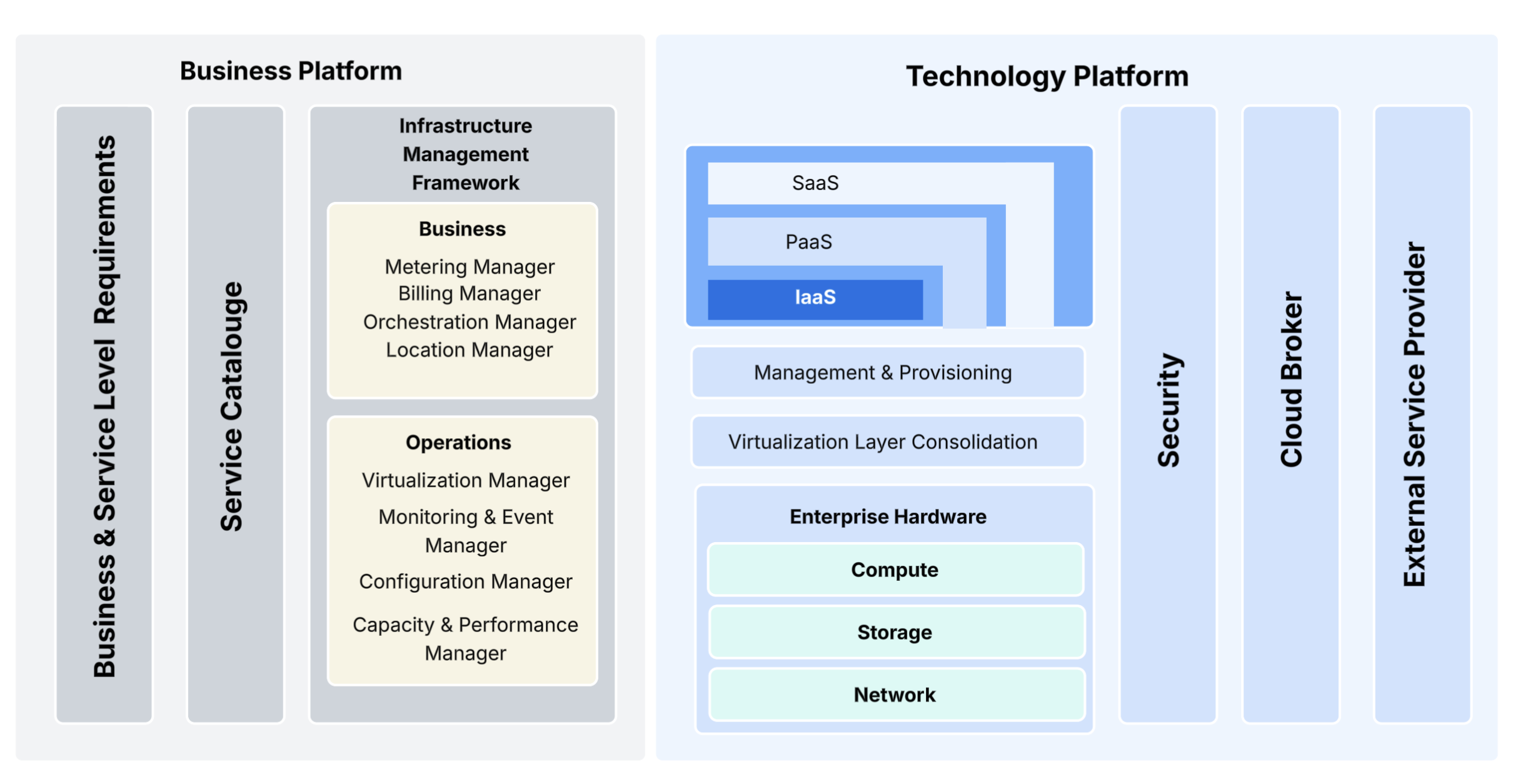
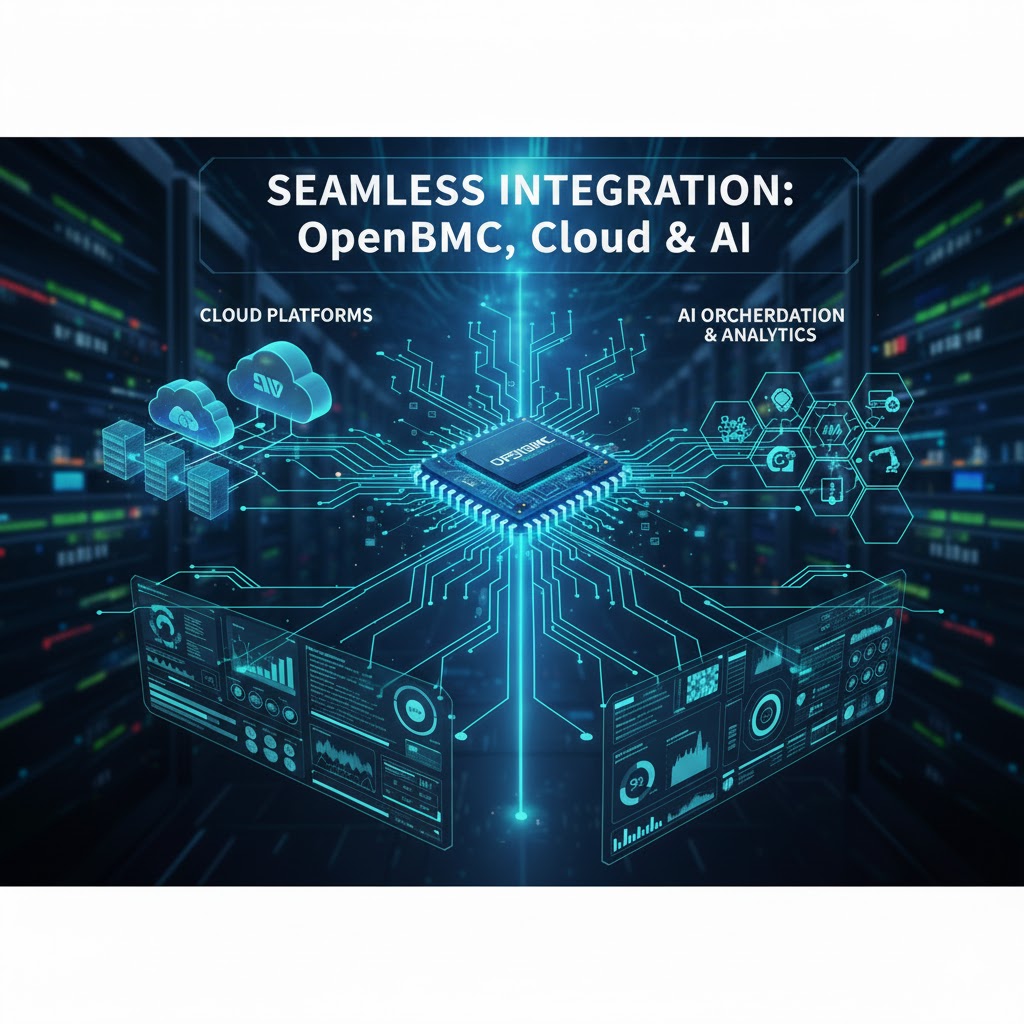
Let’s a have a closer look at how Management & Provisioning layer interact with Compute hardware which include Servers and GPU platforms using OpenBMC. The OpenBMC integrates with such Cloud and AI platform orchestration tools and management software by providing transparent, programmable server and GPU management capabilities that can be directly tied into automated AI workflows and modern orchestration platforms.

API-Driven Hardware Control in AI Workflows
OpenBMC exposes standard RESTful APIs (e.g., Redfish) that orchestration platforms—such as Kubernetes, Conductor, Control-M and custom AI orchestrators —can call to perform hardware management operations. These might include power cycling, query server status, monitor thermals, sensor telemetry retrieval, hardware health monitoring, perform firmware updates programmatically and provision the resources tailored for AI workloads. This makes it possible for AI pipelines to automatically reconfigure or provision servers (CPU and GPU nodes) based on real-time workload demands, all without manual intervention.
Seamless Integration with AI Inference and DataOps
Modern orchestration tools benefit from OpenBMC’s flexibility and openness by directly interfacing with the firmware stack. For example, Cloudflare leverages OpenBMC to update firmware and manage thermals and power settings for AI inference servers running GPUs—as part of global AI workloads. With OpenBMC, orchestration toolchains can respond dynamically to load, update hardware configurations for new AI models, and even monitor thermal and power events as triggers within automated workflows. Many opensource and third-party orchestration tools can easily be integrated with OpenBMC.
Enabling End-to-End Automation and Visibility
By integrating OpenBMC functions into orchestration routines, AI platforms can offer complete, API-driven visibility from workload orchestration to physical resource state. This closes the automation loop: orchestration tools manage data, models, and jobs, while OpenBMC ensures that the server infrastructure adapts instantly and securely to the demands of high-volume, distributed AI inference or training tasks.
OpenBMC telemetry mapping to AI orchestration metrics
OpenBMC telemetry can be mapped directly to the operational metrics needed by AI orchestration tools, enabling full-stack observability and data-driven automation. This mapping leverages open standards such as Redfish and OpenTelemetry to unify hardware-level telemetry with AI system health and workload optimization metrics.
Typical OpenBMC Telemetry Exposed
- Power metrics: Real-time server power consumption, power capping, and outlet states.
- Temperature/thermal: CPU, GPU, memory, and board temperatures, with thermal event alerts.
- Fan speeds: Control and status, including redundancy loss or predictive failure.
- Hardware health: Sensor states for voltage, current, disk health, and predictive failure.
- Inventory: Live reporting of component serial numbers, firmware versions, DIMM/GPU slot status.
- Fault events: Predictive alerts, reset logs, power cycles, and watchdog/heartbeat events.
- Network status: BMC connectivity, NIC state, and error counters.
Mapping Telemetry to AI Orchestration Metrics
AI orchestration platforms (such as Kubernetes, Slurm, or cloud-native schedulers) require actionable metrics for resource allocation, workload placement, scaling, and proactive remediation.
- Power and thermal metrics from OpenBMC can be ingested as resource utilization metrics, enabling intelligent job placement (avoiding overheated nodes or balancing power draw).
- Hardware health and predictive failure events inform orchestration systems to cordon, evacuate, or automatically schedule hardware maintenance, reducing job disruption.
- Inventory metrics help orchestration map AI workloads to appropriate hardware (such as matching large models to GPU servers with sufficient memory, or avoiding degraded hardware).
- Fan and environmental metrics support dynamic resource throttling or migration during data center events (e.g., hot aisle issues or power capping).
Telemetry Integration Pipeline
OpenBMC exposes telemetry via Redfish APIs or native OpenTelemetry endpoints. Platforms use collectors (such as OpenTelemetry Collector) to normalize and enrich this data, then ship it to orchestration dashboards or observability stacks like Grafana LGTM, Prometheus, or BMC Helix AIOps. Semantic conventions are established—using field mappings and standard tags—to ensure metrics from OpenBMC are actionable within the AI orchestration context (e.g., “node.available,” “gpu.temp,” “psu.power”).
This integrated telemetry-to-metrics mapping allows AI operations to optimize workload placement, react to infrastructure health signals, and automate remediation—turning low-level server events into orchestratable, high-level operational outcomes.
Conclusion
OpenBMC’s integration with AI orchestration tools empowers datacenter operators and AI platform engineers to automate provisioning, scaling, health management, and energy optimization—speeding up operations while maintaining flexibility and transparency in how physical AI infrastructure is managed.
Reach out to us at [email protected] to understand the cyber risks faced by your organization and to sanitise your industrial digital ecosystem and assets.